Not every roof problem is a covered loss. Before you run the deductible math or worry about CLUE consequences, answer the prior question: does the damage fall under a peril your policy actually covers?
Adjusters deny claims on coverage grounds more often than homeowners expect — not for depreciation, not for deductibles, but because the damage doesn’t qualify as a covered event. Knowing this before you call saves you a claim record for damage the insurer was never going to pay.
For the deductible math, premium impact analysis, and the full filing decision, see the should-you-file guide.
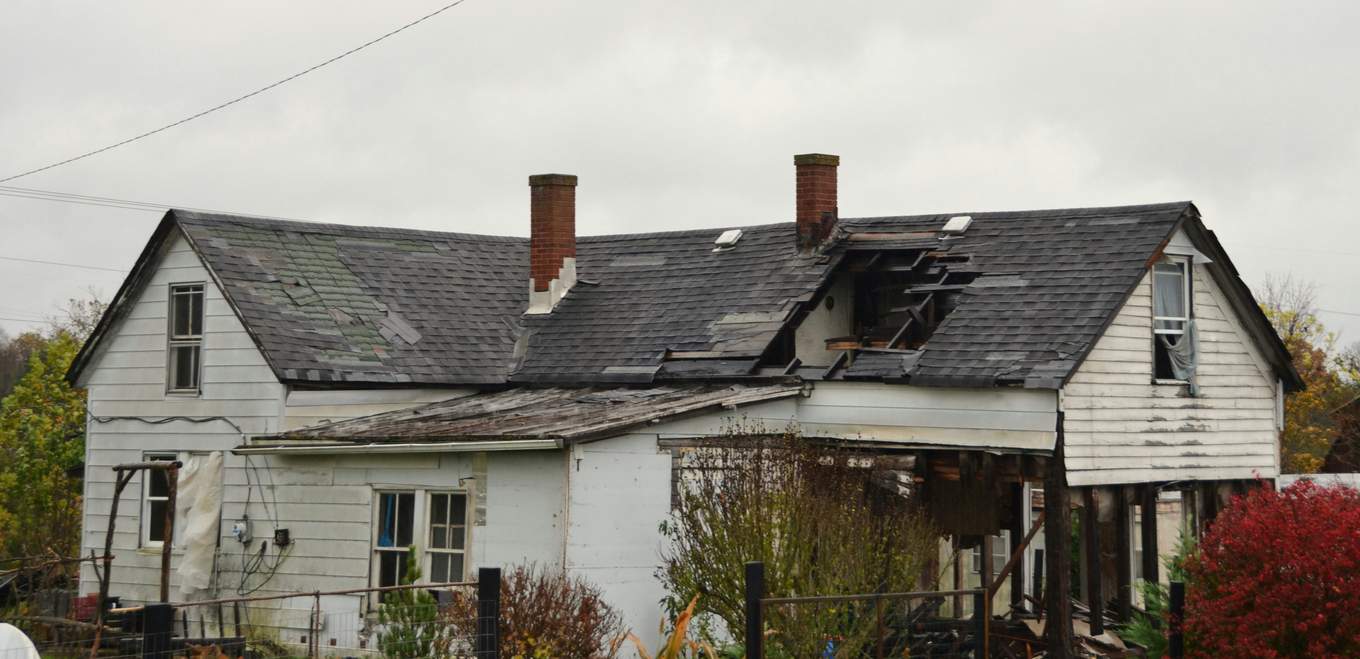
Is the Damage Actually Covered?
Homeowner policies cover named perils — specific events listed in the policy. Wind and hail are almost universally covered. Flood is almost universally not covered by a standard homeowner’s policy (it requires separate flood insurance).
But the covered/excluded line runs through the cause of the damage, not just the type of event.
Common exclusions that affect roof claims:
Wear, tear, and deterioration. Gradual weathering and aging is specifically excluded on almost every standard policy. If an adjuster determines the damage reflects normal wear over the roof’s lifespan rather than a discrete storm event, the claim may be partially or fully denied. On a roof already near the end of its useful life before the storm, this line is contested more often.
Maintenance failures. Damage caused by lack of maintenance — clogged gutters that caused rot, moss growth that destroyed shingle adhesion, unsealed penetrations — is typically excluded. The policy covers sudden, accidental damage, not the consequences of deferred maintenance.
Pre-existing damage. If the adjuster determines damage was present before the claimed storm event, that portion may be excluded or reduced. On older roofs, identifying what’s storm-related vs. pre-existing is often where disputes begin.
Faulty installation or workmanship. Damage from a poor installation is generally excluded from property coverage. Workmanship claims belong under the contractor’s warranty, not your homeowner’s policy.
Cosmetic damage only. Some policies and endorsements exclude cosmetic damage — surface marks or denting that don’t affect the roof’s function. Hail that dents metal panels without penetrating or compromising shingles may fall here depending on your policy wording.
Before filing, assess honestly whether the damage is from a covered peril in a way an adjuster would agree with after inspection. If the answer is uncertain, a contractor assessment before filing gives you a clearer picture without creating a claim record.
CLUE History and Renewal Risk
Your CLUE (Comprehensive Loss Underwriting Exchange) report shows the claims history attached to your property address — not just your personal history. Before filing, request your own report.
You’re entitled to one free CLUE report per year from LexisNexis, which operates the system. The report shows what any prior owner filed, not just you.
How many claims in the last few years. If the property already shows two or three claims in the past three years, adding another — even a small one — can tip you into non-renewal territory with some carriers. In states where insurers have been actively reducing exposure, this risk is more pronounced.
Zero-payout claims count. If a prior owner filed a claim that paid nothing, it still appears. Carriers see the loss event even when the net payout was $0. A property with a pattern of claims, regardless of payout, is rated differently at renewal.
If the property has a clean recent history, the CLUE concern is lower. If it doesn’t, that changes the filing decision even when the payout math is positive.
Run the Full Numbers First
Checking coverage and CLUE history are prerequisites — but they don’t replace the deductible math. Once you know the damage is covered and you’ve checked the property’s history, run your numbers through the calculator to see what you’d actually receive: your ACV, your first check after the deductible, and whether the payout justifies the claim record.
For the complete decision — deductible math, premium impact, break-even analysis — see the should-you-file guide.


